How to Compare Two Wines Side by Side
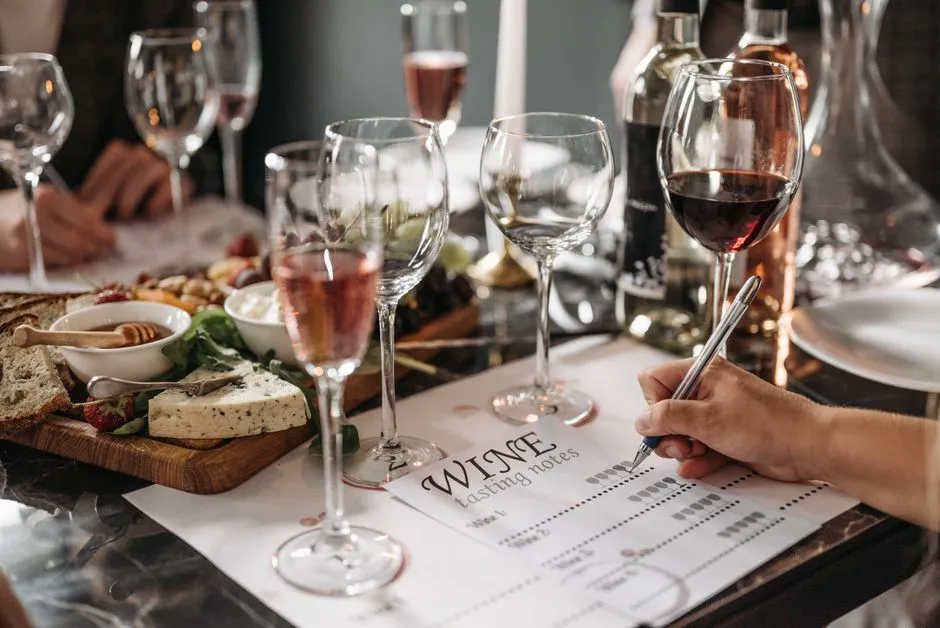
Choose one question and two wines
A side-by-side tasting teaches more when the comparison has a reason. Choose two wines differing in one useful dimension: the same grape from two regions, the same region from two vintages, an oaked and unoaked style, or two price points bought from the same trustworthy retailer.
Do not pretend every other variable is controlled. Producers, farming, winemaking, bottle age, storage, and closure may differ too. The question is “What differences can I describe here?” rather than “Which continent has won wine forever?”
This is an adult tasting, not a drinking challenge. Use small pours, provide water and food, offer a spit cup, and make it normal to leave wine unfinished. Nobody tasting should drive or perform safety-critical tasks afterward.
Keep the setup fair
Use two clean glasses of the same shape for each person when possible. Label them A and B. Pour similar small amounts and serve the wines at the same appropriate temperature. Excess warmth can make alcohol more prominent; excessive cold can mute aroma and texture.
Avoid strongly scented candles, perfume, cooking smoke, or cleaning products. Use neutral light and a plain pale background for looking at color. Have water and plain bread or crackers available, understanding that any food can affect perception.
If reducing label bias matters, ask someone not tasting to bag or cover the bottles and record which is A. A blind comparison hides identity, not your own expectations, glass differences, or the room's enthusiastic garlic.
Read wine labels without guessing after the first notes, then compare what the disclosed origin and style help explain.
Look before inventing a verdict
Tilt each glass over the pale background. Note color family, depth, visible bubbles, haze, or sediment without treating every difference as quality. Unfiltered or aged wine may show deposit; unexpected haze or fizz may also warrant checking the producer or retailer.
Use relative language: A is paler than B; B has more visible bubbles; both appear clear. Do not claim grape, age, or fault from color alone. Appearance creates hypotheses, not a passport scan.
The Wine & Spirit Education Trust describes systematic tasting as moving through appearance, nose, palate, and conclusion. This guide uses that broad sequence without reproducing WSET's proprietary tasting materials.
Smell in two rounds
Smell each glass without swirling. Note intensity and one broad family: fruit, flower, herb, spice, earth, toast, or something else. Then swirl gently and smell again.
Move from broad to specific only when the memory feels real. “Citrus” is a useful observation; “lemon peel” is useful when that is genuinely what it recalls. A friend saying grapefruit does not make your lemon wrong. Aroma description connects sensation to memory, and memories do not share one filing cabinet.
If a wine smells sharply unpleasant, musty, vinegary, or otherwise wrong, pause. Compare with a knowledgeable retailer or producer rather than diagnosing every unfamiliar aroma as a fault.
Taste structure before flavor poetry
Take a small sip, move it around the mouth, and spit or swallow according to your plan. Note:
- apparent sweetness;
- acidity or mouthwatering freshness;
- tannin and drying grip in red or skin-contact styles;
- body or weight;
- alcohol warmth;
- flavor intensity and families;
- finish after the wine leaves the mouth.
Compare one dimension at a time: “B feels more acidic than A” is clearer than “B is much more elegant.” Preference comes later.
Rinse with water and pause between wines. Revisit A after B because order changes perception. If your impressions reverse, record that rather than choosing the first note out of loyalty.
Browse tasting practice for more controlled comparison prompts.
Reveal the labels after writing
Before uncovering bottles, finish two short notes:
A: pale; moderate citrus and herb aroma; higher perceived acidity; light body; short clean finish.
B: deeper color; ripe fruit and toast aroma; lower perceived acidity; fuller body; longer warm finish.
These are structural examples, not promised characteristics of a grape or region. Then reveal the labels and record producer, wine name, origin, vintage, alcohol, price paid, purchase date, and storage context. Look for explanations, but do not rewrite your senses to flatter the prestige label.
Continue through label literacy when a term needs a regulatory definition.
End with usefulness, not a winner
Ask which wine you prefer today, with what food or occasion, and why. One may suit a meal while the other works alone; one may offer better value at the price you actually paid. “Different jobs” is a legitimate conclusion.
Recork or close unfinished bottles promptly and refrigerate them; preservation time varies with style, oxygen exposure, closure, and storage. If a wine seems spoiled, do not use tasting as a dare.
The valuable output is a reusable sentence: “I preferred A because its higher acidity balanced the food,” not “A received 93 points from the dining table.” Your table has not filed its judging credentials, and that is freeing.