How to Read a Wine Label Without Guessing
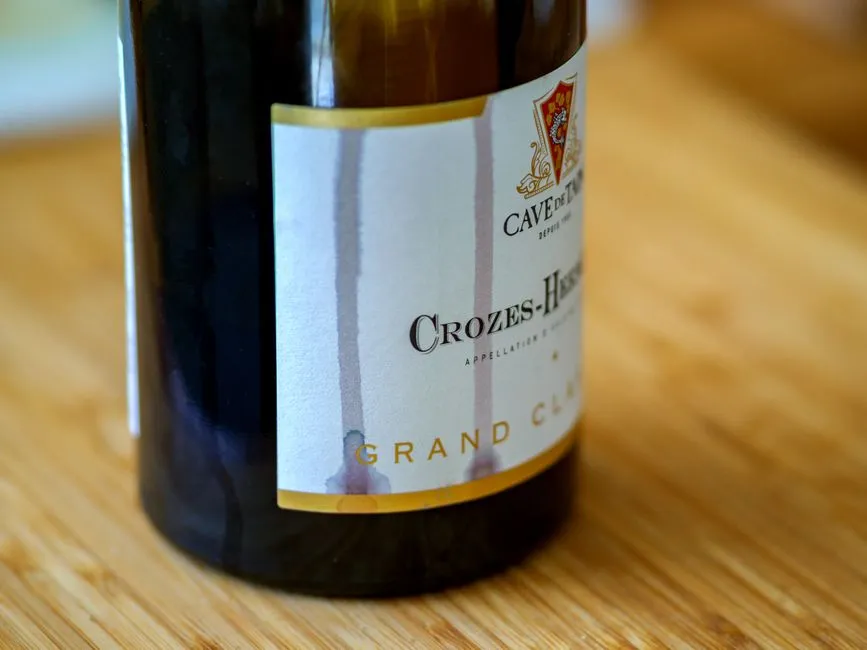
Read the bottle in three passes
A wine label can tell you who put a name on the bottle, what kind of wine it is, where its fruit came from under applicable rules, how much alcohol and liquid it contains, and who bottled or imported it. It can also show a chateau sketch that has never once completed a harvest.
Read in three passes:
- Identity: brand or producer, class or type, grape variety, and origin.
- Numbers: vintage, alcohol content, and net contents.
- Responsibility and claims: bottler or importer, warnings, sulfites, production terms, certifications, awards, and marketing prose.
Rules differ by country and product category. This guide uses current US federal wine labels as a worked example, not a universal decoding key.
Separate brand, producer, and responsible business
The largest name may be a brand, estate, producer, cuvée, or proprietary wine name. Turn the bottle around and find the name-and-address statement. Wording such as “bottled by,” “produced and bottled by,” “cellared by,” or “imported by” can carry specific regulatory meanings; do not compress them all into “the winery made everything.”
For US-market wine, the Alcohol and Tobacco Tax and Trade Bureau's wine-labeling guide lists mandatory and optional information and links definitions. Imported bottles may also show a country of origin and US importer.
Record the exact wording when provenance matters. A family story on the back can provide context, but the responsible-business statement is the better starting point for tracing the product.
Find the class, type, or variety
A label may identify “red wine,” “sparkling wine,” Chardonnay, a blend, or another regulated class or type. A grape name is not automatically the producer name, place, flavor guarantee, or proof that no other varieties are present. The percentage required for a varietal designation depends on the governing rules and origin.
When a bottle names several grapes, look for percentages but do not assume they must appear. If sweetness, carbonation, flavor additions, or production method matters to you, identify the exact type statement and check the producer's current technical information. Front-label minimalism often sends the useful nouns to the back.
Browse label literacy for country-specific terminology without treating similar words as identical legal claims.
Treat origin as a defined claim
An appellation designates a geographic area where the fruit or other agricultural product was grown under applicable rules. In the United States, an American Viticultural Area is one type of appellation for grape wine. TTB explains that using an appellation can also indicate compliance with production requirements, and that an appellation becomes mandatory when labels make certain claims, including a varietal designation or vintage date.
That does not mean every place name has the same percentage rule, boundary logic, or quality promise. Read the named area exactly. A broad country, state, or county origin and a smaller recognized region communicate different scopes, not an automatic ladder from bad to good.
The TTB appellation overview covers US usage; imported appellations follow their home-country rules as recognized for labeling.
Understand vintage without predicting quality
Vintage identifies the harvest year represented under the applicable rule. It is not necessarily the bottling year or release year. Weather can make vintage informative, but the year alone cannot tell you whether a bottle was well grown, made, stored, transported, or suited to your taste.
Some wines are intentionally non-vintage blends. That is not a confession. Blending across years may support a consistent house style or other production goal. If the bottle lacks a vintage, read the type and producer information before declaring the calendar missing in action.
Read alcohol and volume literally
Find the alcohol statement and net contents. Alcohol content may appear on a different label panel from the brand information. In some US table-wine circumstances, class wording can stand in for a numerical percentage; TTB's label anatomy tool explains the conditions.
Alcohol percentage describes concentration, not quality, sweetness, body, or how much any individual should drink. Serving guidance and legal limits depend on location and person. This publication is for adults of legal drinking age. Do not drink before driving, operating equipment, swimming, supervising safety-critical activity, during pregnancy, or when alcohol conflicts with medication, health guidance, recovery, or personal choice.
Put optional claims on probation
“Reserve,” “old vine,” “natural,” “handcrafted,” “estate,” “single vineyard,” “organic,” and sustainability marks do not share one global definition. Some are regulated in a market or context; others may be producer language. Look for the certifying body, standard, scope, vintage, and current documentation.
Awards identify a competition result under its entry and judging conditions. Scores identify a reviewer's assessment of a submitted or purchased sample. Neither proves your bottle's storage history or your preference.
Use our two-wine comparison to test a label-led expectation against the glass. Continue through tasting practice with the bottle hidden if you want to reduce brand and price influence.
Finish by photographing both label panels and writing one neutral sentence: “2024 varietal wine from named region, bottled by stated business, listed alcohol, standard bottle volume.” Facts first. The peacock can enter afterward.